We earn a commission if you buy through our links, at no extra cost to you. We rank by cost and how long things last, not by commission. Details.
Short answer: yes, but only if you grow the right crops and keep startup costs low. A small bed of herbs, salad greens and tomatoes can pay for itself in one season. A garden of potatoes and onions on $400 of new kit may never break even. Here’s the math to decide for your own yard.
The break-even formula
Season savings = (pounds harvested × store price per pound) − (that season’s costs)
Spread one-time costs like bed frames over their lifespan. A $30 concrete block frame that lasts 20 years costs about $1.50 a year; a $250 cedar bed that lasts 10 years costs $25 a year. That’s why the frame choice matters so much — see what it costs to start a garden.
Which crops pay back fastest
| Crop | Store price | Yield per sq ft | Payback |
|---|---|---|---|
| Fresh herbs (basil, parsley, chives) | High per ounce | Continuous cutting | Excellent |
| Salad greens (cut-and-come-again) | High per pound | Multiple harvests | Excellent |
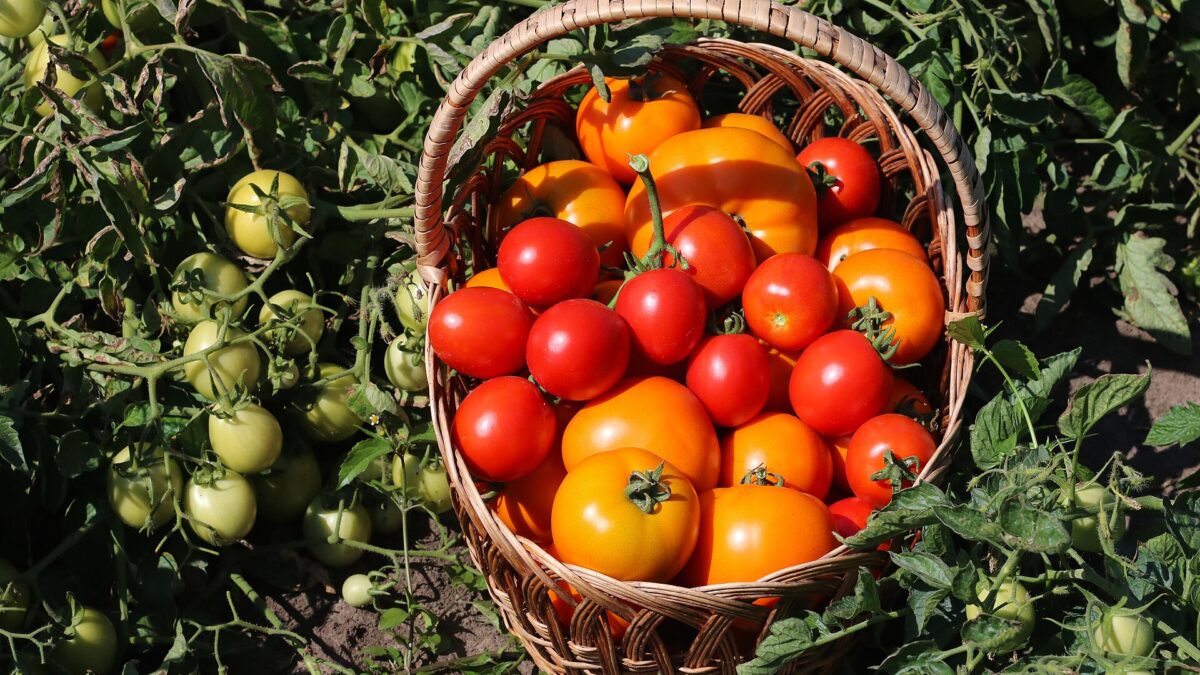
| Cherry tomatoes | High per pint | High | Very good |
| Zucchini / summer squash | Medium | Very high | Good |
| Peppers | Medium–high | Medium | Good |
| Potatoes, onions, carrots | Low per pound | Medium | Poor |
| Corn | Low | Low (needs space) | Poor |
Ranking based on typical US grocery prices vs. home yields. Actual results depend on your climate, season length and care. How we price.
A worked example: one 4×8 bed
Take a one-course cinder block bed (about $110 including soil) planted with herbs, lettuce and two cherry tomato plants. If it replaces a couple of herb packs and a bag of salad every week through the growing season, plus a few pints of tomatoes, it can cover the soil cost in the first year. From year two the main costs are seeds and compost, so most of the harvest becomes savings.
What kills the savings
- Buying soil for the whole bed depth. Use free filler — see the soil calculator.
- Expensive kits and gadgets you don’t need in year one.
- Buying all transplants. A seed packet can cost about the same as a single starter plant.
- Waste. Unpicked zucchini and bolted lettuce are money lost. Plant in small batches.
- Water bills in hot climates without mulch.
How to maximize the payback
- Grow what you already buy every week.
- Prioritize high-value crops: herbs, greens, cherry tomatoes.
- Build soil for free with cardboard sheet mulching and leaves.
- Succession plant greens every 2–3 weeks so harvests never stop.
- Save seed from open-pollinated tomatoes, beans and peppers.
The bottom line
Gardening saves the most money when the setup is cheap and the crops are expensive at the store. Start with one low-cost bed, grow herbs, greens and tomatoes, and track what you harvest for one season. Your own numbers will tell you whether to expand.
FAQ
Is it cheaper to grow your own vegetables?
For herbs, greens and tomatoes, usually yes. For low-cost staples like potatoes and onions, often not.
How long until a garden pays for itself?
A low-cost bed with high-value crops can break even in one season; expensive setups can take several years.
What vegetable saves the most money?
Fresh herbs and salad greens, because store prices per ounce are high and plants keep producing.
Should I track my harvest?
Yes. Weighing harvests for one season shows exactly which crops are worth the space.