We earn a commission if you buy through our links, at no extra cost to you. We rank by cost and how long things last, not by commission. Details.
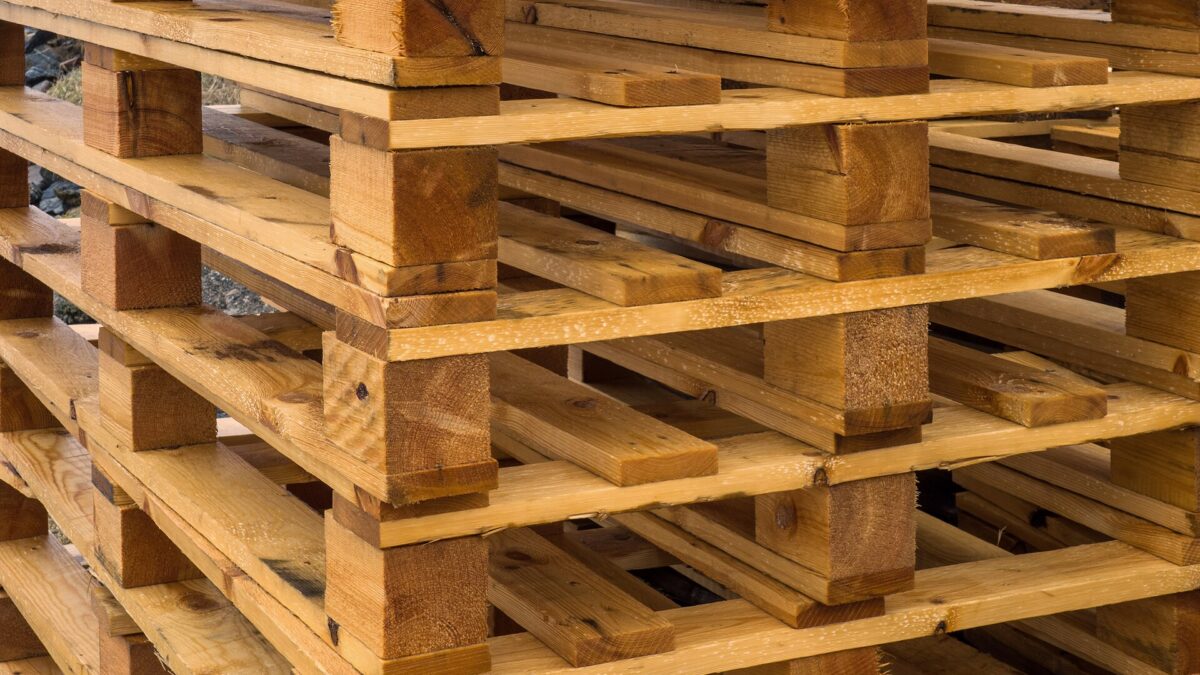
A pallet planter can cost $0 if you use a free pallet, salvaged fabric and soil you already have. It takes about 30 minutes and gives you a vertical herb or lettuce garden on a patio, fence or balcony. The one thing you must get right is the pallet itself — not every pallet is safe for growing food.
The $0 receipt
| Item | Source | Cost |
|---|---|---|
| Heat-treated (HT) pallet | Feed, garden or hardware stores; marketplace | $0 |
| Liner: feed sacks or old landscape fabric | Farm stores, neighbors | $0 |
| Staples or roofing nails | Your toolbox | $0 |
| Soil (~2–3 cu ft) | Leftover potting soil + compost | $0 |
| Total | $0 (or $10–$25 if you buy soil and fabric) |
If you buy everything new, budget $10–$25 for a roll of fabric and two bags of potting mix. How we price.
Step 1: Find a safe pallet
Look for the IPPC stamp on the side of the pallet. It tells you how the wood was treated:
- HT — heat treated. Safe to use.
- KD — kiln dried. Also fine.
- MB — methyl bromide fumigation. Do not use for edibles.
- No stamp — unknown history. Use for flowers only, or skip it.
Also skip pallets with oily stains or strong smells — they may have carried chemicals. Painted blue (CHEP) or red pallets are rented, not free; don’t take them.
Step 2: Clean and prep
Knock off loose debris, then scrub with soapy water and let it dry in the sun for a day. Pull or hammer flat any protruding nails. Sand only the edges you’ll touch.
Step 3: Line the back and bottom
Lay the pallet face down. Staple a double layer of feed sacks or landscape fabric across the back, the bottom and the sides, pulling it tight. Leave the front slats open — that’s where you’ll plant.
Step 4: Fill and plant (lying flat)
Flip the pallet face up and fill it with soil through the slats, pressing it in firmly. Plant into each gap, tightly spaced. Water well and leave it lying flat for 1–2 weeks so roots bind the soil. Then tilt it upright against a wall or fence.
Need a precise soil number for a bigger build? Use the soil calculator.
What to plant
- Herbs: thyme, oregano, chives, parsley, mint (contained, it’s welcome here).
- Greens: leaf lettuce, spinach, arugula — harvest leaves as they grow.
- Strawberries: trailing plants love vertical slats.
- Flowers: petunias, alyssum, nasturtiums for color.
Avoid deep-rooted crops like tomatoes or carrots; a pallet only holds 3–4 inches of soil per slat.
- Truly free
- Fits small spaces
- Keeps herbs at hand height
- Dries out fast in summer
- Wood rots in 2–4 years
- Shallow soil only
If you buy anything, buy these
Want a bigger bed instead? Compare all your options in how much a raised bed costs.
FAQ
Are pallets safe for vegetable gardens?
Pallets stamped HT (heat treated) or KD are considered safe. Avoid MB-stamped and unmarked pallets for food.
Where can I get free pallets?
Ask small local businesses — feed stores, garden centers, tile and hardware shops — and check online marketplaces. Always ask first.
How long does a pallet planter last?
Usually 2–4 seasons outdoors. A coat of raw linseed oil on the outside can extend it.
How often should I water it?
Daily in hot weather. Vertical planters dry faster than beds, especially the top slats.