We earn a commission if you buy through our links, at no extra cost to you. We rank by cost and how long things last, not by commission. Details.
Cheap fabric grow bags are one of the lowest-cost containers per gallon of soil you can buy, especially in multi-packs. They breathe, drain well, fold flat for storage and are light enough to move. The key is buying the right size for each crop and a fabric thick enough to last more than one season.
Grow bag size guide and cost
| Bag size | Good for | Plants per bag | Typical cost per bag (multi-pack) |
|---|---|---|---|
| 3 gallon | Herbs, lettuce, radishes | 1 herb / several lettuces | $1–$3 |
| 5 gallon | Peppers, compact tomatoes, chard | 1 | $2–$4 |
| 7–10 gallon | Tomatoes, potatoes, eggplant | 1 / 3–4 seed potatoes | $3–$6 |
| 15–20 gallon | Large tomatoes, zucchini, squash | 1 | $5–$10 |
| Raised bed bag (e.g. 2×4 ft) | Mixed greens, onions, carrots | Many | $10–$25 |
Typical US price ranges in late 2026 for multi-packs. Single bags cost more each. How we price.
What to look for
- Fabric weight. Thicker non-woven fabric lasts longer. Thin bags often fray or fade after one sunny season.
- Handles. Strong stitched handles matter; a full 10-gallon bag is heavy.
- Double stitching at the base seam, where bags usually fail first.
- Color. Black absorbs heat (good in cool climates). Tan or gray stays cooler in hot summers.
- Honest sizing. Compare listed dimensions; “gallon” sizes vary between brands.
Why grow bags are cheap to run
Fabric lets air reach the roots and excess water drain from the sides. Roots that reach the fabric tend to stop and branch instead of circling the pot, a process often called air pruning. That’s helpful for tomatoes and peppers in particular. Bags also fold flat in winter, so they cost nothing to store.
The trade-offs
- Very low cost per gallon
- Excellent drainage
- Light and storable
- Dry out faster than plastic
- Need watering daily in hot weather
- Can stain decks; set them on a tray or gravel
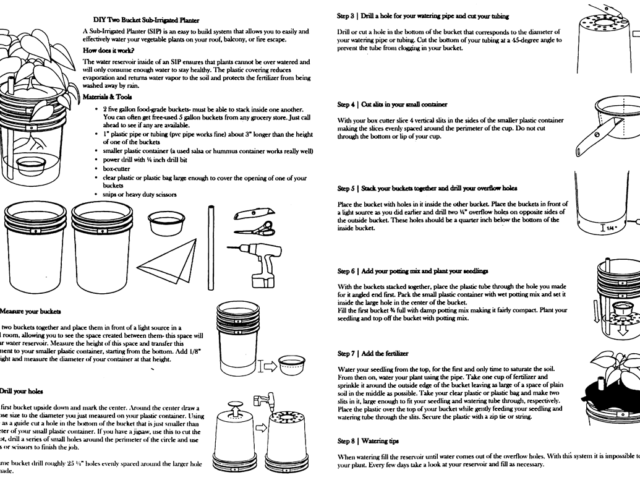
Skip grow bags if: you can’t water daily in summer. A $10 self-watering bucket planter holds water much longer.
How to fill them cheaply
Potting mix in a dozen 10-gallon bags adds up fast. Use a lighter, cheaper DIY blend of topsoil, compost and an aeration ingredient, the same approach as our cheap raised bed soil guide. For deep bags, a layer of leaves or wood chips at the very bottom saves a little soil without hurting drainage.
The dirt cheap pick
A multi-pack of 10-gallon bags in a medium-weight fabric covers most vegetables. Add a few 5-gallon bags for peppers and herbs, and you can grow a full patio garden for well under $50 in containers.
Planning your whole budget? See what it costs to start a garden and which crops pay back fastest in does growing your own food save money.
FAQ
What size grow bag for tomatoes?
About 10 gallons or more for full-size tomatoes; 5 to 7 gallons for compact or patio varieties.
How long do cheap grow bags last?
Thin bags may last one or two seasons. Thicker fabric bags often last several years if stored dry in winter.
Do grow bags need drainage holes?
No. The fabric itself drains and breathes.
Can I reuse soil in grow bags?
Yes. Remove old roots, mix in fresh compost and replant. Start fresh if the previous crop had disease.