We earn a commission if you buy through our links, at no extra cost to you. We rank by cost and how long things last, not by commission. Details.
The cheapest good raised bed soil is usually a DIY blend of bagged or bulk topsoil and compost, which often costs a fraction of premium “raised bed mix” per cubic foot. Bulk delivery wins once you need more than about a cubic yard. Pre-mixed bags win for one small bed. This guide compares cost per cubic foot so you can pick the cheapest option that still grows well.
Cost per cubic foot compared
| Option | Typical cost / cu ft | Best for | Skip it if |
|---|---|---|---|
| Free filler (logs, leaves) | $0 | Bottom half of deep beds | Shallow beds under 8 in. |
| Free municipal compost | $0–$1 | Mixing into any base | Your town has none |
| Bulk topsoil/compost blend | $1–$3 + delivery | 1+ cubic yard | Only one small bed |
| DIY blend from bags | $2–$5 | 1–3 beds | You hate mixing |
| Bagged raised bed mix | $5–$8+ | A single small bed | Filling a deep 4×8 |
| Bagged potting mix | $6–$10+ | Containers | Filling beds (too costly) |
Typical US price ranges in late 2026. Bulk prices and delivery fees vary widely by area — get two quotes. How we price.
1. DIY blend — cheapest that still grows well
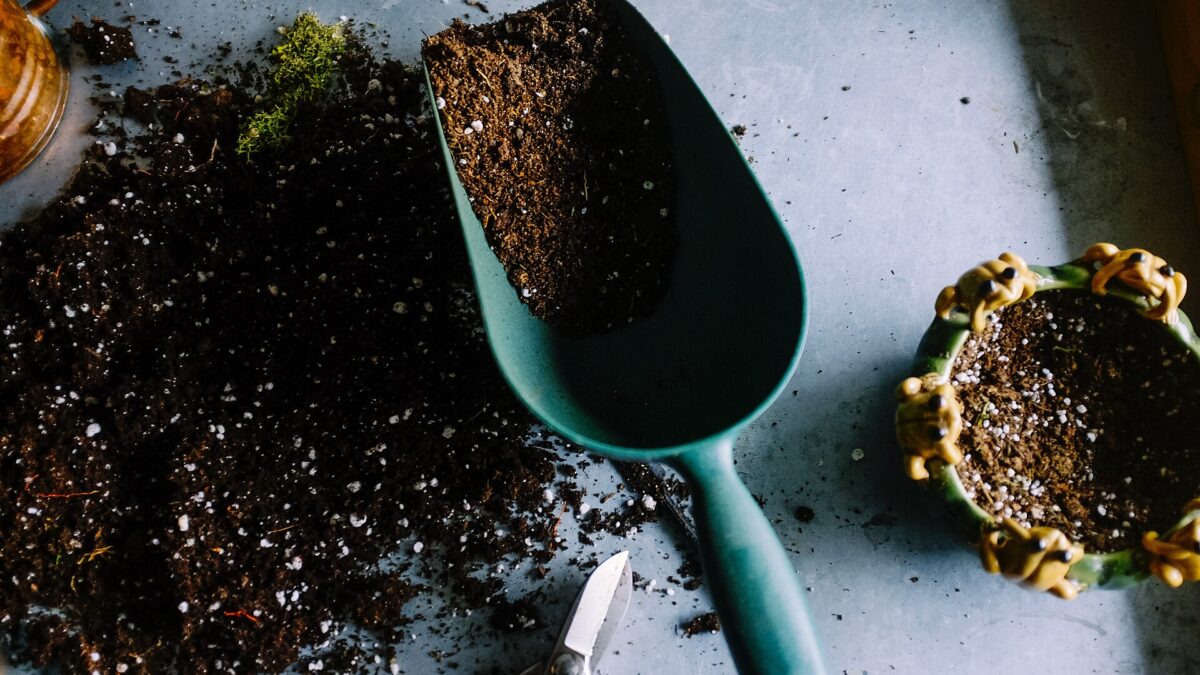
Mix about 60% topsoil, 30% compost and 10% aeration (perlite, pine bark fines or coarse sand). Bagged topsoil is usually one of the cheapest bags in the garden center, and compost adds what it lacks. Mix on a tarp or right in the bed with a fork.
- Often half the cost of premium mix
- You control the ingredients
- More work
- Bagged topsoil quality varies
2. Bulk soil — cheapest for big jobs
Landscape suppliers sell soil by the cubic yard (27 cubic feet). Per cubic foot it is usually much cheaper than bags, but delivery can add a flat fee. Ask for a “garden blend” or “raised bed blend” of topsoil and compost, and ask what’s in it. Bulk only makes sense once you’re filling more than about one deep 4×8 bed.
Skip it if: you only need a few bags, or the yard can’t be reached by a delivery truck.
3. Bagged raised bed mix — easiest
Premium bagged mixes are light, consistent and ready to plant. They cost the most per cubic foot, so use them for a single small bed or to top off a bed filled with cheaper material underneath.
4. Free filler — cut the volume in half
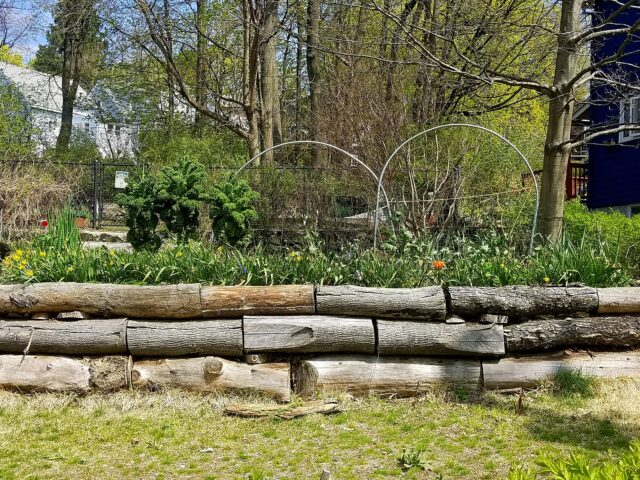
The biggest saving isn’t a cheaper soil, it’s buying less of it. Logs, branches and leaves in the bottom half of a deep bed are free. Our hugelkultur fill guide shows the layers and a full receipt.
What to skip
- Straight fill dirt: cheap, but often clay or subsoil with little organic matter.
- Potting mix for beds: it’s made for containers and costs too much at bed volumes.
- “Mystery” free soil: soil from construction sites can contain debris or contaminants. Ask where it came from.
- 100% compost: too rich and it shrinks a lot as it breaks down. Mix it with topsoil.
How much do you need?
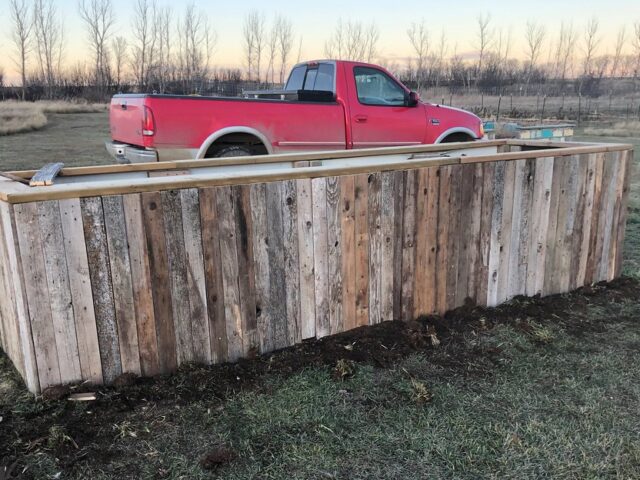
A 4×8 bed 12 inches deep holds 32 cubic feet (about 1.2 cubic yards). Use the raised bed soil calculator for your size, bag count and mix split.
The dirt cheap pick
For one or two beds: free filler in the bottom half, then a DIY topsoil-compost blend on top. For three or more beds: get a bulk quote first.
Building the bed too? Compare frames in raised bed costs and cheap raised bed kits under $100.
FAQ
What is the cheapest soil for raised beds?
Free filler for the bottom half and a DIY blend of topsoil and compost for the top. For large volumes, bulk soil is usually cheapest per cubic foot.
Can I use only topsoil in a raised bed?
You can, but it tends to compact. Mixing in compost and some aeration helps plants grow and drain.
Is bagged raised bed soil worth it?
For one small bed, yes, for convenience. For deep or multiple beds, it’s usually the most expensive option.
How often should I replace raised bed soil?
You rarely need to replace it. Add a couple of inches of compost each year to top it up.